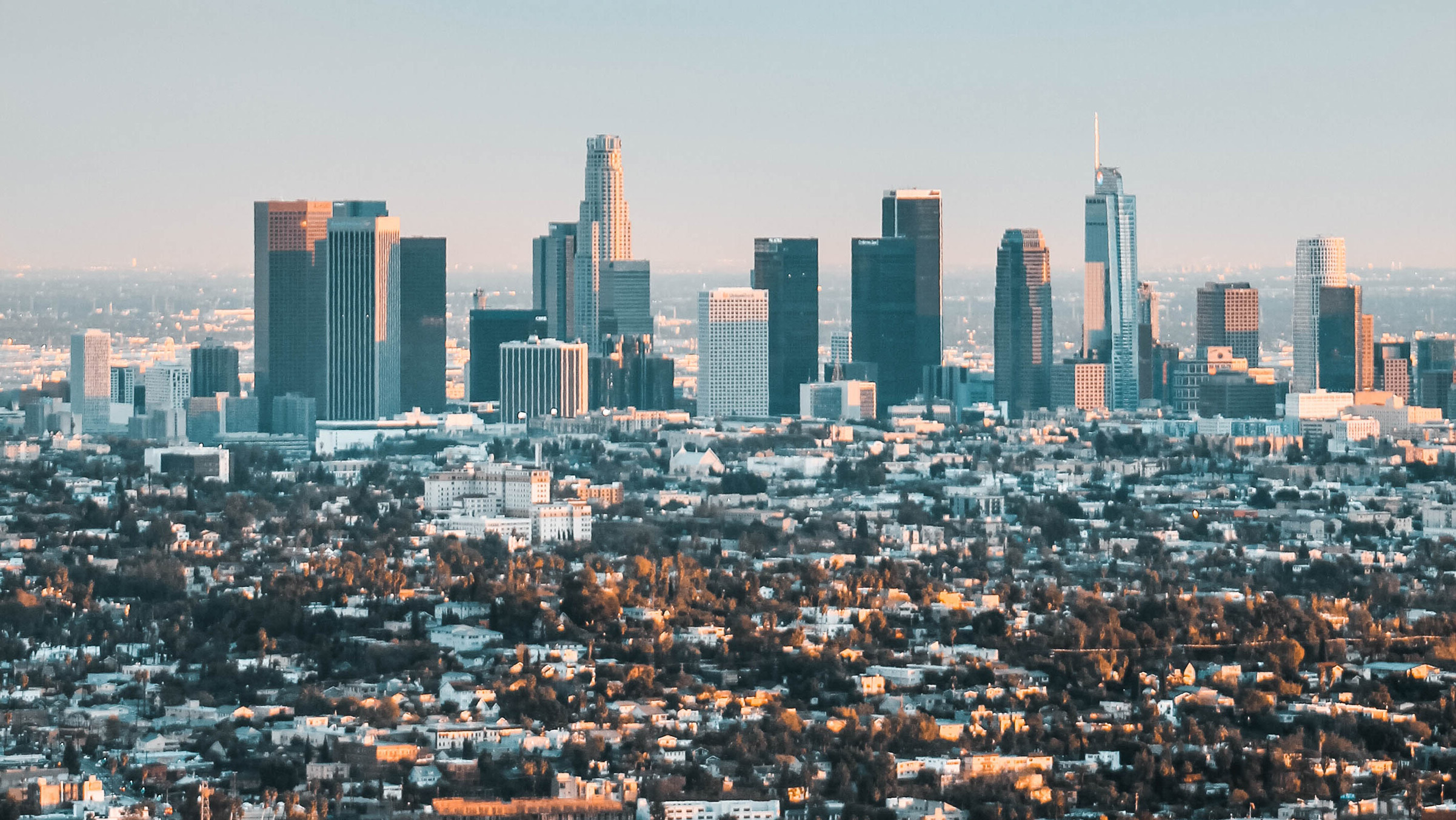
Car accident lawsuit California steps after a Westside crash
Car accident lawsuit California questions usually start when the insurance claim stops feeling simple. After a Westside crash, the first job is to protect evidence, check deadlines, and decide whether a lawsuit is needed or whether the claim can still resolve through insurance.
Lederer & Nojima LLP reviews car crash cases from the Wilshire Corridor, Santa Monica, Brentwood, Westwood, Century City, Culver City, and nearby streets.
Sources
- California DMV accident reporting guidance: https://www.dmv.ca.gov/portal/dmv-virtual-office/accident-reporting/
- California Code of Civil Procedure section 335.1: https://leginfo.legislature.ca.gov/faces/codes_displaySection.xhtml?sectionNum=335.1&lawCode=CCP
- California Government Code section 911.2: https://leginfo.legislature.ca.gov/faces/codes_displaySection.xhtml?sectionNum=911.2&lawCode=GOV
- California Road Traffic Injuries data portal: https://data.ca.gov/dataset/road-traffic-injuries
When does a car accident claim turn into a lawsuit?
A claim turns toward a lawsuit when informal insurance handling cannot protect the injured person's rights. That can happen because the insurer disputes fault, questions medical causation, offers too little, delays records review, or refuses to identify available coverage.
Filing is not the first move in every case. A lawyer may spend weeks collecting medical records, body shop records, photos, police reports, witness names, employer wage data, and health insurance lien information before filing makes sense. The point is not to rush into court. The point is to keep court available if the insurer will not resolve the case fairly.
What evidence matters most after a Westside crash?
The best evidence is often the evidence that disappears first. Nearby businesses may overwrite video, rideshare app records may sit behind support channels, and witnesses may forget exact lane positions. On Wilshire Boulevard, Santa Monica Boulevard, Olympic Boulevard, Bundy Drive, Sepulveda Boulevard, and surface streets near Westwood or Brentwood, camera and roadway facts can matter as much as the police report.
Keep photos of the cars, the intersection, skid marks, debris, traffic controls, visible injuries, repair estimates, and every insurer letter. If pain grew after the crash, document when symptoms started and which provider heard that history first.
What deadlines should you check before filing?
California Code of Civil Procedure section 335.1 gives many personal injury lawsuits a two year deadline. That is a general rule, not a complete deadline answer. Claims involving public vehicles, unsafe roads, public buses, school districts, minors, medical issues, or wrongful death can raise different timing rules.
California Government Code section 911.2 can require many claims against public entities within six months. The California DMV also says an SR 1 report is required within 10 days when a crash involves injury, death, or property damage over $1,000. Those rules serve different purposes, so filing one form does not replace legal deadline review.
How does insurance fit with the lawsuit decision?
Insurance comes before and after filing. The review should identify bodily injury limits, uninsured or underinsured motorist coverage, employer coverage, rideshare coverage, umbrella policies, health insurance liens, and medical payment coverage. A lawsuit may be necessary when the insurer will not evaluate those pieces in a way the evidence supports.
Do not sign a release until every known injury, lien, bill, and coverage source has been reviewed. A release usually ends the claim, even if a later bill arrives.
Frequently Asked Questions
Do I need a lawsuit for every car accident injury claim?
No. Many claims resolve through insurance when fault, injury proof, medical treatment, and coverage are clear. A lawsuit becomes more likely when the offer is too low, the insurer disputes facts, or the legal deadline is getting close.
How hard is it to win a personal injury case?
It depends on proof, not on confidence. Liability evidence, medical records, causation, damages, insurance coverage, comparative fault, and witness credibility all affect the case. A strong case has records that make each point provable.
What if a city vehicle or unsafe road caused the crash?
Get review fast. Public entity facts can trigger Government Code claim procedures and shorter timing rules. Photos, exact location, agency names, road condition evidence, and maintenance facts can all matter.
Should I give the insurer a recorded statement?
Be careful. You can report basic claim information, but detailed recorded statements about fault, injuries, medical history, speed, or timing can be used later. If injuries are serious or fault is disputed, get advice first.
What does Lederer & Nojima LLP review first?
The first review is practical. The team looks at where the crash happened, who may be responsible, what coverage may apply, which records exist, which records may vanish, and which deadlines could affect the claim. That includes nearby Westside facts such as traffic cameras, business video, intersection layout, and the agency that wrote the report.
For related resources, review the firm's Wilshire car accident lawsuit evidence guide, Culver City car accident lawyer page, and pedestrian accident lawyer page. If a crash has injuries, disputed fault, public entity facts, or early pressure from an insurer, call (310) 312-1860 for a case evaluation.
Results may vary. Contact our office for a case evaluation. This article is for informational purposes only and does not constitute legal advice.